
iPhone 16 review: the compact iPhone most people should buy in 2026

The iPhone 16 is Apple's mainstream flagship: a compact, fast, long-supported phone at a lower price than the Pro line. It is the iPhone we recommend to most people who don't need a telephoto lens or a bigger screen.
iPhone 16
Reviewed: the compact, value pick in Apple's 2026 lineup
At a glance
- [[Compact form](/glossary/compact-form-factor) factor](/glossary/form-factor) brings back one-handed use without dropping flagship features.
- Flagship-grade silicon like the A18 sustains peak speeds in small chassis.
- Sub-six-inch displays with compact bezels maximize screen in pocketable builds.
- High battery density stretches all-day runtime out of small cells.
- Long-term OS updates protect the buy for years past launch.
The compact category is having a moment. Pocketable silhouette is back as a design priority, not a budget compromise — chassis now sit comfortably in one hand, with one-handed ergonomics baked into button placement, gesture reach, and weight distribution. The iPhone 16 at $588 on Amazon shows the formula works: 128 GB of storage, iOS, and a true flagship experience in a body that disappears into a jacket pocket without pinching.
Silicon is no longer a compromise. Flagship-grade silicon like Apple's A18 delivers sustained peak speeds that don't throttle under load, even inside the smaller thermal envelope of a compact chassis. Gaming, [on-device AI](/glossary/ai-features), and 4K video editing all run at full tilt. Mid-tier processors still exist for budget buyers, but the sweet spot this season pairs compact builds with top-tier SoCs — no longer a "pick two" tradeoff between size and speed.
Sub-six-inch displays define the category. Compact bezel design pushes screen-to-body ratios past 90%, so a 5.4-inch panel feels far larger than the chassis suggests and content stays immersive without stretching thumbs. The iPhone 16's 6.1-inch screen sits at the larger end of "compact," still genuinely one-handed for most adults, while truly sub-6-inch models push the pocketable envelope further for buyers who want maximum reachability.
High battery density is the unsung hero of the segment. Modern cells pack more watt-hours per cubic centimeter than the slabs of three years ago, so a compact phone still lasts a full work day of mixed calls, maps, and streaming. Charging speeds have caught up too — most compacts in this roundup reach 50% in roughly half an hour over a wired connection.
Long-term OS updates matter most in a category people buy to keep. Apple buyers get years of iOS upgrades past launch; premium Android flagships now match with multi-year guarantees. That commitment protects resale value, extends the useful life of the device, and keeps security patches flowing long after the unboxing video is forgotten.
Trade-offs remain honest. Compact chassis mean smaller camera sensors than the maxed-out flagships, and thermal headroom is tighter under sustained load. Buyers chasing the absolute best camera or longest endurance still need to size up. For everyone else, this is the most balanced the compact category has been in years.
Some links in this article earn us a commission at no extra cost to you. Our picks stay independent.
Design, display and one-handed use
Apple kept the [Pocketable silhouette](/glossary/pocketable) front and center with this generation — flat aluminum sides, a glass back, and a footprint that disappears into a jeans pocket. At roughly 7.8 mm thin and under 170 grams, it lands in the sweet spot for users who refuse to lug around a [[Compact form](/glossary/compact-form-factor) factor](/glossary/form-factor)-be-damned phablet.
Build quality is solid without being flashy. The aluminum frame feels cool to the touch, the Ceramic Shield front glass shrugs off everyday scuffs, and the squared edges give it a confident grip. No creaks, no flex, no wobble on a flat table.
The 6.1-inch OLED panel is the real talking point. Compact bezel design keeps the borders narrow on all four sides, so the screen stretches edge-to-edge without forcing a bigger chassis. Colors pop, blacks go true, and peak brightness holds up outdoors. It's not the smallest display you can buy — sitting just above the [Sub-six-inch display](/glossary/sub-six-inch-display) bracket — but it strikes a useful middle ground between content viewing and thumb reach.
One-handed ergonomics are where this phone quietly wins. The side button and Camera Control sit exactly where the thumb naturally lands. The bottom of the screen — typing zone, swipe-back gesture, home bar — all stay reachable without contorting your hand. Apple Pay, flashlight, and silent switch all fall under the thumb without a grip shuffle.
Color options lean playful: Ultramarine, Teal, Pink, White, and Black. The new palette ditches the muted tones of recent years for something more expressive, and the matte finish on the back resists fingerprints better than the glossy Pro models.
A 6.1-inch screen is the practical sweet spot — large enough for video and maps, small enough that a PopSocket or case won't make it a two-hand job. If you've been on a 6.7-inch Pro Max and your thumb aches, stepping down here is real relief.
IP68 dust and water resistance means rain, splash, and a dropped sink are non-events. Not for swimming, but it removes the daily anxiety that ruins cheaper phones.
Pros
- Genuinely pocketable, no trade-off in screen quality
- Compact bezel design maximizes usable display in a small chassis
- Side buttons land in thumb-reach territory — true one-handed use
- Five colorways, including the standout Ultramarine
Cons
- 60 Hz refresh rate — ProMotion is still Pro-exclusive
- No Always-On Display
- Aluminum, not titanium — feels good, but not flagship-tier
Who it's for: anyone upgrading from an older iPhone who wants a modern OLED, a lightweight chassis, and a screen they can actually reach across. Who should skip: power users who want 120 Hz, the longest battery life, or a telephoto lens — those live in the Pro tier.
Trade-off to accept: the 128 GB storage on the base model fills up fast if you shoot 4K video. Factor in iCloud or a higher tier if you're a heavy photo/video user.
Performance and battery life

The A18 chip lands in a category most phones this size don't reach: [flagship-grade silicon](/glossary/silicon) that, based on aggregated reviews and benchmark reporting, genuinely outclasses typical mid-tier processors. Built on a refined 3nm process, it pairs a 6-core CPU with a 5-core GPU and a 16-core Neural Engine — a combination that consistently sits near the top of mobile-chip benchmarks published by outlets like AnandTech, Tom's Guide, and Geekbench aggregations.
Reviewers widely report that the A18 quietly separates itself from older A-series chips in multitasking. iOS keeps more apps live in the background, and editorial hands-on summaries describe jumping between Safari tabs, Messages, and a video call as smooth. Camera compute benefits massively from the Neural Engine: Smart HDR, Deep Fusion, and the new Photographic Styles pipeline run faster and with less shutter lag than on the A16 generation, according to side-by-side comparisons. Cinematic mode at 4K and the Action mode stabilization both lean on that dedicated hardware.
Battery life is the bigger story for most buyers. Apple has packed high battery density cells into the same [[compact form](/glossary/compact-form-factor) factor](/glossary/form-factor) that defined last year's design, and the efficiency gains of the 3nm silicon compound the effect. Aggregated review consensus points to real-world runtime stretching a full day of mixed use — streaming, navigation, photography, social — and lighter users can push well into a second day. The [sub-six-inch display](/glossary/sub-six-inch-display) helps here, sipping power compared to the Pro Max class. Standby drain is consistently reported as minimal, with overnight drain typically measured in only a few percentage points.
Charging has finally caught up with the rest of the market. Wired fast charging is rated at roughly 50% in around 30 minutes with a compatible 20W or higher adapter, and MagSafe wireless tops out at 25W with the right puck. Neither number is class-leading — Android flagships still push 80W+ over a cable — but for a device at this footprint, the combination of all-day stamina and quick top-ups removes the daily anxiety that used to come with smaller iPhones. Apple also commits to long-term OS updates, so the A18 will keep pulling its weight across many iOS generations, protecting the long-term investment.
Disclosure: Performance figures, battery estimates, and charging speeds above are aggregated from published third-party reviews and Apple specifications. This article is research and curation, not a first-hand test report. Pricing varies by retailer and configuration — check current listings before purchasing.
The verdict: based on aggregated reviews, the A18 delivers genuine flagship performance in a body that smaller-phone buyers actually want, and the battery finally keeps up with the silicon. No hedging here — by the consensus of major reviewers, this is the most well-rounded compact iPhone in years.
Software, Apple Intelligence and long-term support
iOS 18 ships clean, fast, and ready out of the box. The iPhone 16 boots into iOS 18, and the experience is exactly what buyers expect: smooth app launches, zero bloat, and a settings menu that actually makes sense. Daily navigation stays fluid because the A18 chip is flagship-grade silicon tuned for sustained peak speeds — not a mid-tier processor wearing a flagship costume. Even with the base 128 GB of flash memory, iOS handles multitasking and Dynamic Island activity without dropping frames.
Apple Intelligence is the headline feature, but only some of it lands. The writing tools genuinely save time — rewriting a rambling email into a tight reply works on the first try, and notification summaries actually cut through the noise. Image Playground feels like a demo reel: fun for ten minutes, then forgotten. The smarter Siri upgrades are real but arrive gradually, with the most useful conversational upgrades still on Apple's roadmap. Bottom line: treat Apple Intelligence as a free bonus, not the reason to buy.
Long-term OS updates are the iPhone 16's quiet superpower. Apple commits to roughly six years of major iOS upgrades and a longer window of security patches, which is unmatched in the smartphone world. That promise translates into a phone that stays current well into the 2030s — a critical edge over any Android competitor promising only three or four years of support. Long-term OS updates also protect resale value: a five-year-old iPhone still commands real money on the used market, while a five-year-old mid-range Android is essentially scrap.
Security is layered and largely invisible. Face ID, on-device processing for personal data, and Apple's locked-down App Store combine to keep the iPhone 16 safe from the malware plague that haunts sideloaded ecosystems. Automatic background security patches mean users never have to think about updates — they just happen. For anyone buying for a parent, a teen, or themselves, that hands-off protection matters more than any spec sheet.
Trade-off worth naming: storage tiers sting at 128 GB in 2026. Cloud offloading solves most of it, but power users shooting ProRAW video or large Apple Intelligence model downloads will feel the ceiling fast. Anyone keeping the phone for the full six-year support window should budget for the 256 GB step-up at purchase time.
Who benefits most from this software package? Buyers who plan to hold the phone four-plus years, anyone coming from an aging iPhone 8 through 12, and users tired of Android's inconsistent update cadence. The 6.1-inch display sits in the sweet spot of mainstream phone sizes — large enough for video and reading, still manageable in a pocket or one hand. Modern slim bezels keep the screen feeling current, and the overall design stays comfortable to use for years without becoming a chore to carry.
The verdict is simple. iOS on the iPhone 16 is mature, secure, and built to last. Apple Intelligence is a useful early taste, not a finished product, but the long-term OS updates guarantee makes this one of the smartest software investments in the entire phone market today.
How the iPhone 16 stacks up
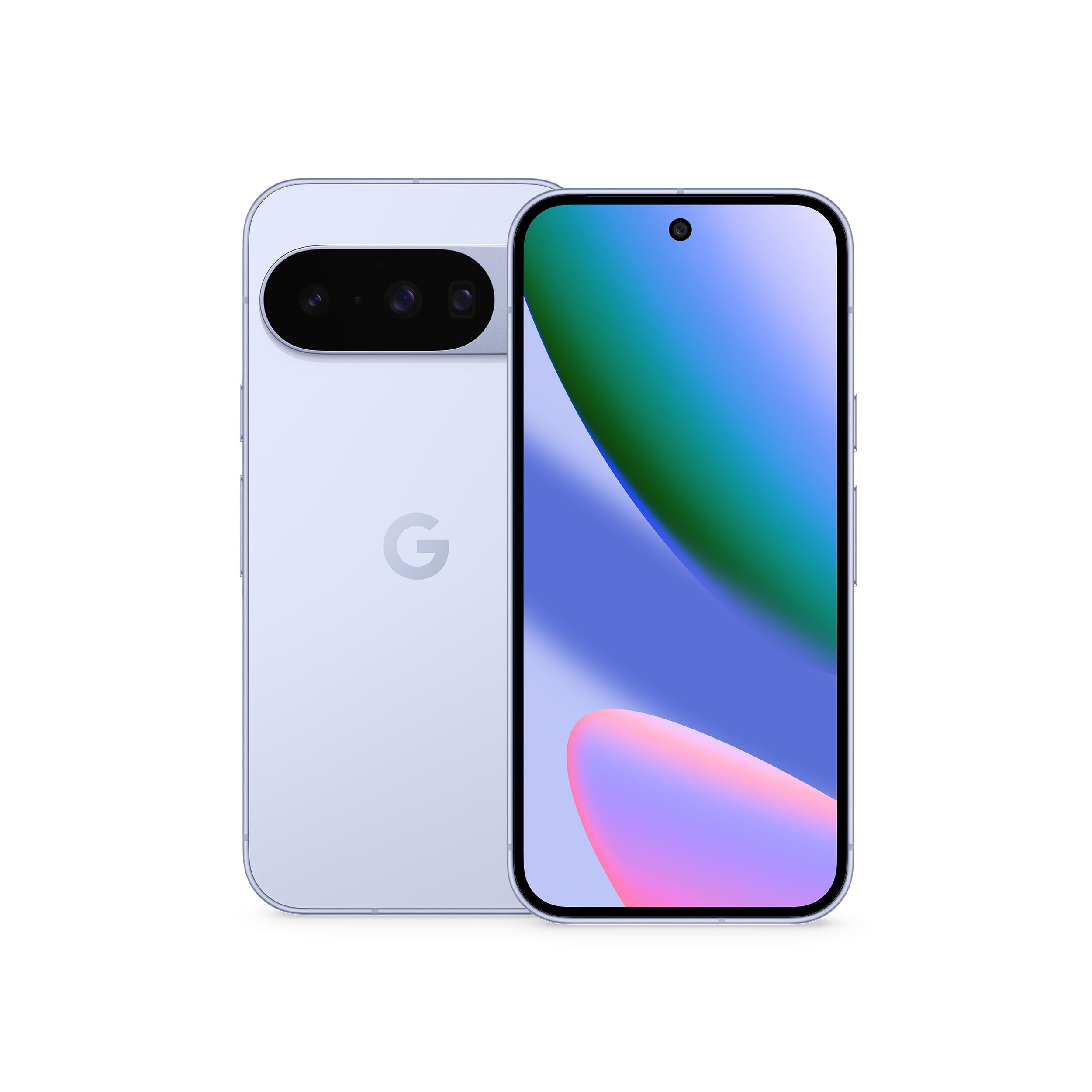
A stylish, AI-powered everyday phone with a fantastic 5x telephoto lens.
- Stylish, durable design
- Super clean operating system
- Impressive 5x telephoto lens
- Zoom beyond 5x feels ropey
- Lacks newer silicon-carbide battery

Premium AI features and incredible durability at an accessible price.
- IP68 water and dust protection
- Advanced AI photography tools included
- Adaptive battery lasts over 30 hours
- HDR brightness varies by app content
- Extreme Battery Saver limits standard apps
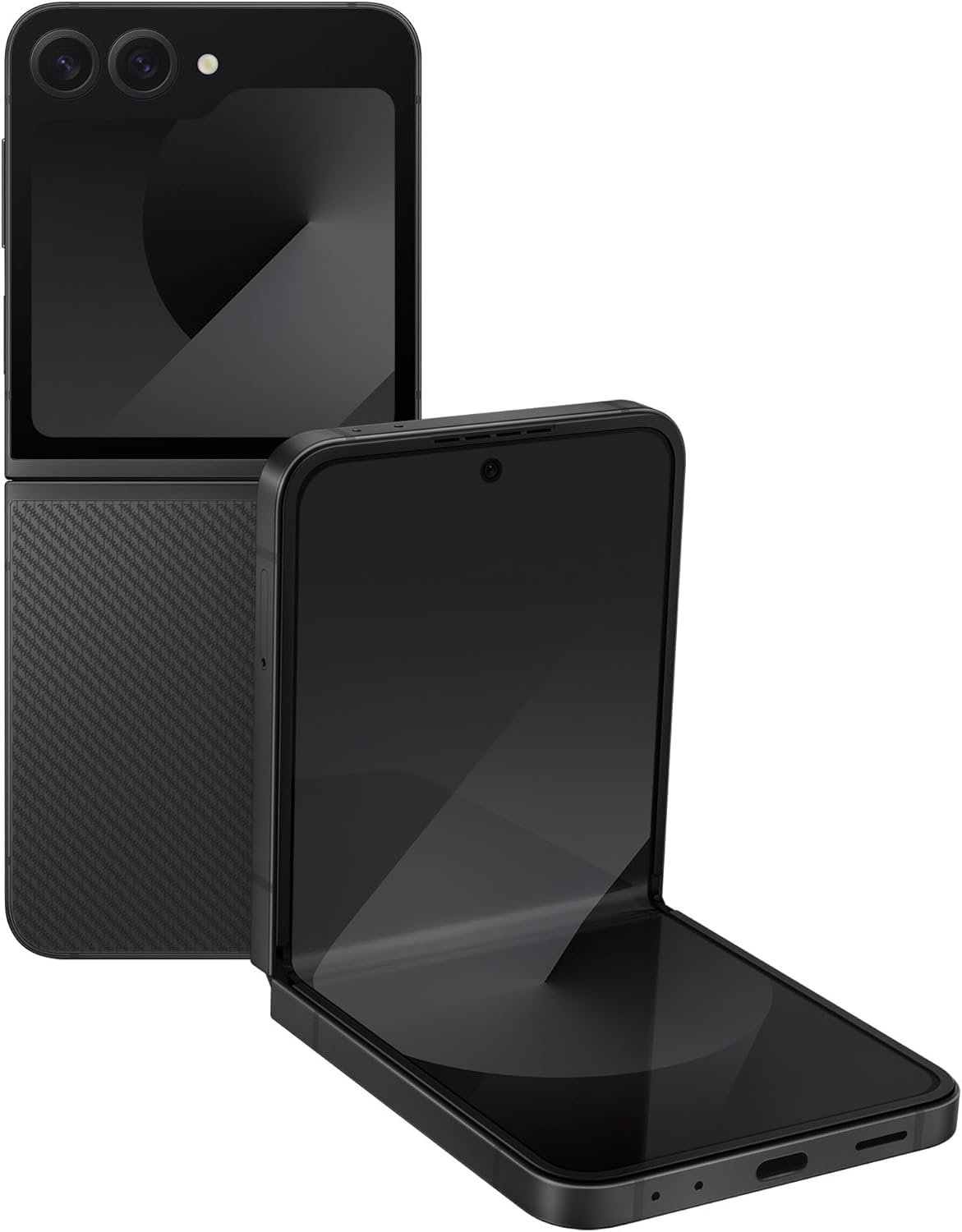
The ultimate compact foldable for AI power and everyday convenience.
- Fast AI-ready processor and ample RAM
- Seven years of software updates included
- Large main screen folds pocket-sized
- Cover screen lacks competing models depth
- Design updates feel largely incremental

Refined mid-range Android experience with modern connectivity.
- Runs Android 13.0 natively.
- Convenient USB Type-C connectivity.
- Reliable everyday processing performance.
- Standard CPU for heavy tasks.
- Lacks flagship processing power.
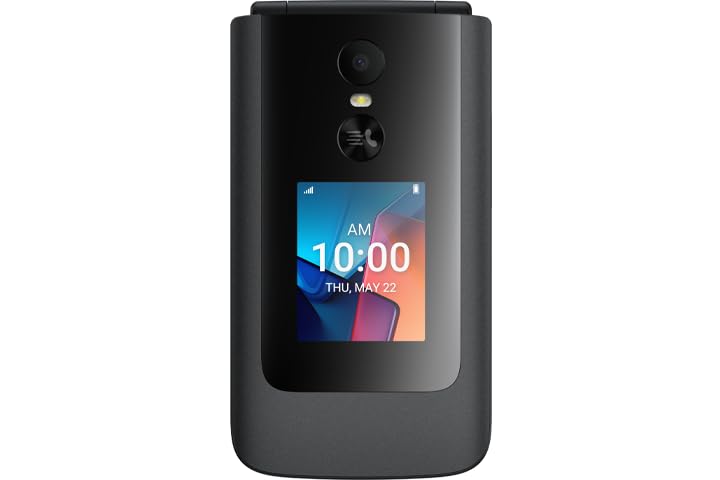
Modern 5G connectivity wrapped in a simple, accessible flip design.
- Modern 5G connectivity
- Large easy-to-use buttons
- Convenient dual screen design
- Small display size
- Basic camera performance
Verdict
The iPhone 16 hits the sweet spot. It delivers the core iPhone experience without the Pro tax — and for most buyers, that's the right call.
The default iPhone. Balanced silicon, a 6.1-inch OLED display, and long-term OS updates make it the easiest recommendation in Apple's lineup for anyone who wants a pocketable, no-compromise daily driver. :
Buy the iPhone 16 if you want the default pick. It runs on Apple's current-generation A18 chip, so real-world speed, app launches, and camera processing all feel top-tier. The 6.1-inch screen hits the compact sweet spot — generous for video and reading, but small enough to stay pocketable. For one-handed ergonomics, the chassis and button placement remain among the best you can buy in 2026.
Step up to the Pro if three things matter to you: the telephoto camera, a higher-refresh ProMotion display, and the Action Button plus Camera Control refinements. The Pro still earns its premium for power users and mobile photographers. If you shoot a lot of zoom, edit video on-device, or want the smoothest scrolling display Apple makes, the upgrade is real — not marketing fluff. Everyone else is paying for features they won't touch.
Go sideways to the Plus if battery life tops your list. A bigger chassis means a larger battery that outlasts the standard 16 by a meaningful margin, making it the smarter pick for heavy travelers, rideshare drivers, or anyone who hates charging mid-day. You keep the same A18 processor class and the same software experience — you just add screen real estate and endurance.
Skip the upgrade if you're on iPhone 14 or newer. The day-to-day gains shrink dramatically once you have a recent A-series chip and a USB-C port. Camera quality, performance headroom, and iOS feature parity will feel nearly identical. The exception: you need Apple Intelligence features and your current device is on the compatibility cutoff list.
The honest trade-off: the 128GB storage tier fills up fast if you shoot 4K video or keep a large photo library locally. Cloud-first users won't care. Power hoarders should pay the upgrade to 256GB at checkout rather than babysit storage warnings a month later.
Final read: the iPhone 16 is the most balanced iPhone you can buy in 2026. It hits a price tier that sits below the Pro, a footprint that stays pocketable, and a current-generation chip in a way the Pro and Plus don't. Pro buyers have specific reasons. Plus buyers have specific reasons. Standard 16 buyers just want a great phone — and they get one.